

The interface that wins a pitch is rarely the one somebody can work in for eight hours.
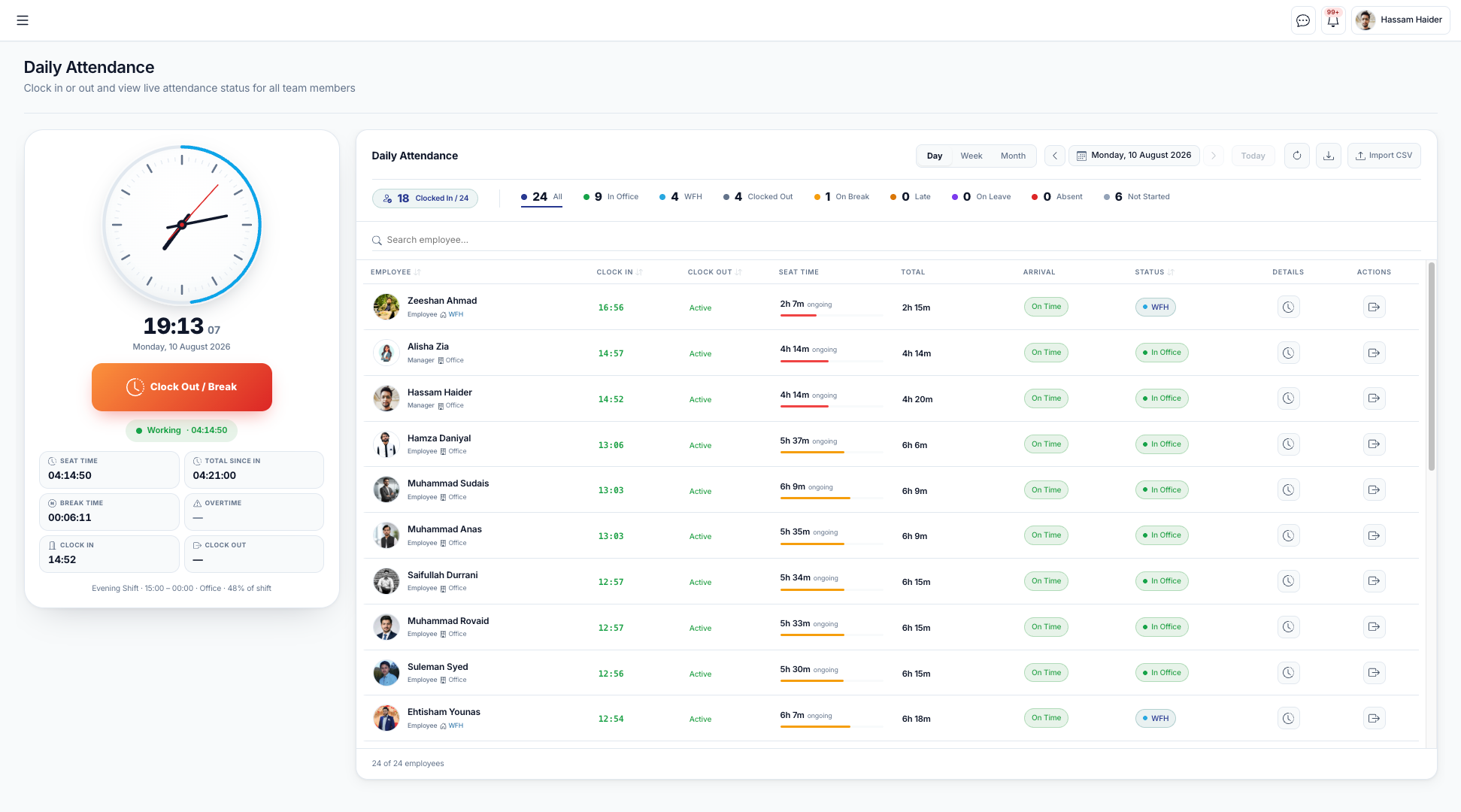
Demo interfaces are built for a five-minute story with clean data. Operator interfaces are built for somebody working a queue all day, with data that is messy, incomplete and occasionally contradictory. They are not the same product.
The generous whitespace that makes a marketing screenshot look calm becomes a liability when a case worker needs to compare twelve rows. On enforcement and attendance screens we deliberately raise density: more rows in view, tighter type, status carried by a coloured token rather than a full-width banner.
The test is not whether it looks pleasant in a screenshot. It is whether somebody can scan forty records and spot the two that need attention without scrolling.
In Angular work especially, it is tempting to build the happy path and treat everything else as polish. We do it the other way round now. If a screen cannot answer "what does this look like with no data, slow data, or a failed request?", it is not finished.
Operators lose trust in a system the first time it shows them a blank panel with no explanation. Trust is very expensive to win back.
An operator will forgive an ugly screen. They will not forgive one that lies about what it knows.
Anyone processing volume will stop reaching for the mouse within a week. Tab order, focus management after a modal closes, submitting without hunting for a button — these are not accessibility afterthoughts, they are throughput features. They also happen to make the product genuinely accessible, which is the right outcome arrived at from a practical direction.
None of this is exotic engineering. It is mostly the discipline of building for the hundredth hour rather than the first five minutes.
Tell us what you are trying to build. We will come back with an approach, a shape for the team and a realistic timeline — not a sales deck.

